

Fire fighting system PPM in Dubai is planned preventive maintenance for a building’s fire and life-safety installations. Developers and appointed management teams need a clear asset list, an appropriate maintenance scope, competent contractors and records of defects and follow-up. The schedule and required approvals must be established for the actual systems and building.
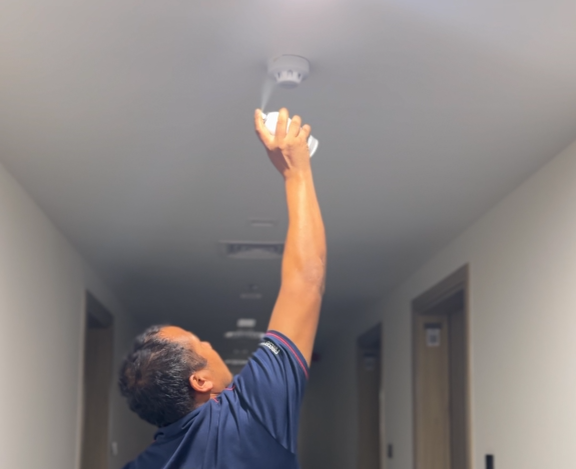
What Is Fire Fighting System PPM?
PPM means planned preventive maintenance.
It includes inspections, testing and servicing arranged before a reported failure.
Corrective repairs address faults identified through those checks or reported during operation. A useful programme links the two processes so a recorded defect reaches the person responsible for action.
The required tasks and intervals depend on the installed equipment, approved design, applicable standards, manufacturer instructions and current authority requirements. Ask the responsible qualified contractor to document the basis for each task rather than applying one generic calendar to every component.
Use current Civil Defence requirements and the building’s approved documents when specifying work. Dubai Civil Defence’s emergency-action-plan guidance also emphasises using competent professionals for life-safety system inspections and tasks requiring specialist training.
Why Fire Fighting System PPM Dubai Communities Cannot Ignore
A maintenance programme should make defects, missed tasks and outstanding actions visible to the responsible team. A completed checklist is not a guarantee that every system will operate in every emergency.
- Safety: Planned specialist checks can identify faults requiring attention. They support risk management without guaranteeing that a component will always activate.
- Applicable Requirements: The maintenance scope should identify the standards, approvals, inspection arrangements and records relevant to the building and systems.
- Insurance: Check the actual policy conditions and any insurer requirements for maintenance and notification. An insurance outcome cannot be assumed from a generic checklist.
- Handover Records: Developers and incoming teams need usable equipment information, test records, warranties and a clear list of outstanding defects.
Core Components Covered by a Fire PPM Programme
Start with an inventory of the systems actually installed. Depending on the building, the scope may include:
- Fire alarm panels, detectors and manual call points.
- Installed sprinkler systems, pumps, pipework and associated controls.
- Hose reels, hydrants and associated equipment.
- Specialist suppression systems where installed.
- Emergency lighting and exit signage.
- Fire doors, dampers and relevant passive fire-protection features.
- Dry and wet riser systems where installed.
- Fire pump sets and their controls, with tasks specified for the installation.
Common Failures When Maintenance Is Reactive
Examples of issues that a qualified maintenance team may need to assess include:
- Corrosion, damage or obstruction affecting installed equipment.
- Persistent fire alarm panel fault indications.
- Damaged or deteriorated hose-reel components.
- Missing test records or unexplained gaps in scheduled work.
- Emergency lighting faults or failed battery tests.
- Fire doors damaged, obstructed or prevented from closing as designed.
Record the finding, location, immediate risk assessment, responsible contractor and follow-up required. Do not ignore an alarm fault or ask untrained staff to carry out specialist work.
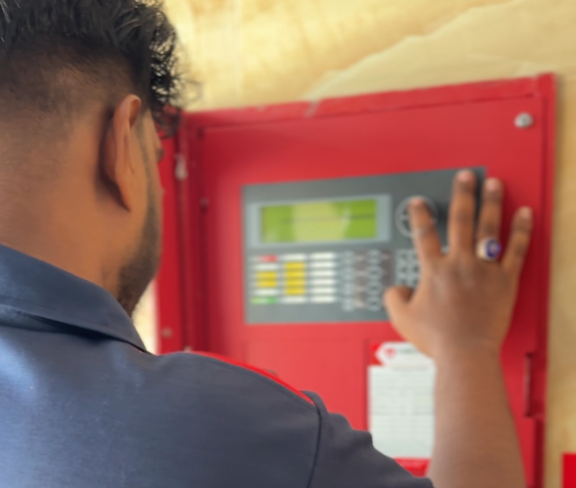
How a Professional OAM Runs Fire Fighting System PPM
At handover, the developer and incoming management team should agree how approved designs, asset registers, manuals, test records, warranties and open defects will be transferred. The maintenance appointment needs to identify responsibilities and the arrangements for urgent issues.
When discussing Sigma Homes’ management scope, confirm how contractor coordination, access arrangements, records and resident communication will be handled. Specialist technical work and certification should be assigned to appropriately qualified and authorised parties.
The management workstream can include these steps:
- Check the contractor’s current approvals and qualifications for the work involved.
- Prepare a task calendar from the equipment inventory and applicable requirements.
- Record visits, personnel, findings, work completed and any follow-up.
- Escalate defects through the agreed management and emergency arrangements, with responsibilities and required actions documented.
- Confirm applicable record-retention requirements and insurer or contractual conditions; keep records accessible to authorised parties.
For related responsibilities, see Sigma Homes’ owners association management services and community management services. Confirm the specific technical and administrative scope required for your development.
Quick Compliance Checklist for Owners Committees
Use the following as questions for the appointed management team and fire-safety contractor:
- Is the contractor’s appointment and approval status appropriate for the systems involved?
- Does the schedule identify the actual assets, tasks and basis for the intervals?
- Are visit reports, tests and completed actions recorded?
- Are outstanding defects assigned to a responsible party and tracked?
- Are required inspections, authority notices and follow-up actions recorded?
- Have the relevant insurance conditions and notification requirements been identified?
- Does the maintenance budget and approval process cover the agreed scope?
Conclusion
A fire-safety maintenance plan needs clear ownership, appropriate specialist work and follow-up on defects. Review the plan against the systems on site, current requirements and the building’s emergency arrangements.
Keep inspection and maintenance records organised so the responsible management team and authorised reviewers can identify completed work, outstanding defects and the evidence supporting closure.
For a development approaching handover or reviewing its management arrangements, contact Sigma Homes with the building details, current maintenance scope and the records available. Agree responsibilities and deliverables before the appointment begins.
Q1: How often must fire fighting systems be serviced in Dubai?
Tasks and intervals depend on the installed systems, applicable standards, manufacturer instructions and current authority requirements. Ask the responsible qualified contractor to document the schedule and its basis for your building.
Q2: Who is responsible for fire PPM in a jointly owned building?
Responsibilities should be established from the building’s management arrangements and applicable requirements. The appointed management entity coordinates its agreed scope, while appropriately qualified and authorised contractors carry out specialist maintenance, testing and certification.
Q3: What happens if a building fails a Civil Defence fire inspection?
The response depends on the inspection finding and the authority’s notice. The responsible team should coordinate corrective work with qualified contractors, follow the stated requirements and deadlines, and retain completion evidence.
Q4: Which fire-maintenance records should management keep?
Keep the system inventory, approved documents, contractor appointment, task schedule, visit and test reports, defect register and evidence of follow-up. Confirm the retention and access requirements applicable to the building.