

Planning Preventive Maintenance in Dubai
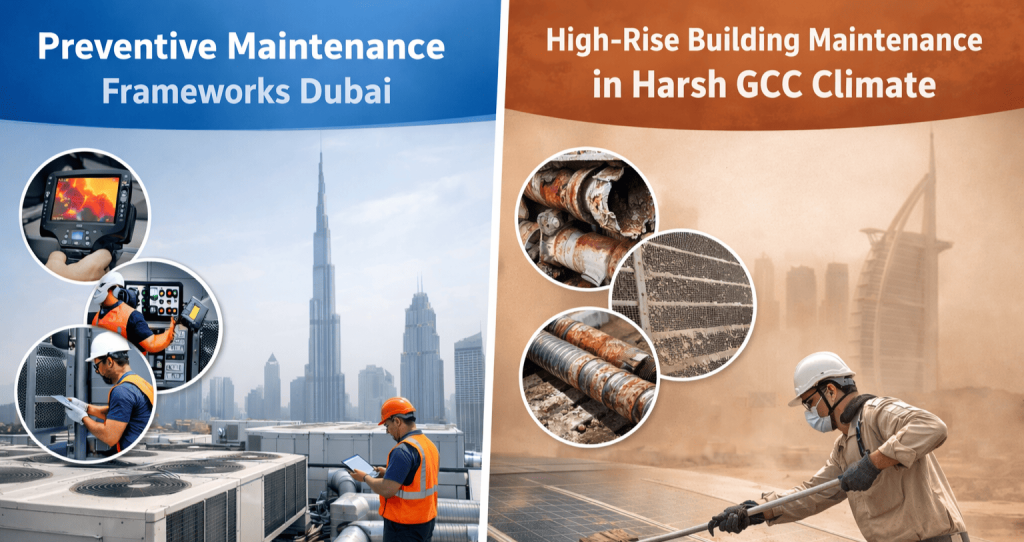
Preventive maintenance frameworks for Dubai buildings start with knowing the assets, their condition and the work needed to keep them serviceable. Heat, dust, humidity and exposure can affect different buildings in different ways. A useful plan sets priorities, assigns responsibility and records what was done, rather than promising a fixed saving or equipment lifespan.
For developers approaching handover and owners reviewing an existing building, the first step is a complete set of asset records, warranties, manuals and outstanding defects. Sigma Homes’ project management support can help structure the discussion about transferring these responsibilities into day-to-day building management.
Assessing Climate and Exposure
Assess the building’s location, materials, age, usage and maintenance history. A coastal property, a heavily used mixed-use tower and a sheltered residential building may need different inspection priorities. Use a qualified technical assessment rather than a generic deterioration multiplier.
- Heat and Solar Exposure
High temperatures and solar exposure can affect cooling demand, seals, coatings and exposed materials. Record observed defects and have the relevant specialist determine the inspection and repair requirements for each system.
- Humidity and Coastal Exposure
Humidity, condensation and coastal exposure can contribute to moisture problems or corrosion, depending on materials and conditions. Investigate the cause of damage before selecting repairs; repainting a surface alone may not address the underlying issue.
- Dust and Sand
Dust accumulation can affect filters, coils and exposed equipment. Inspect and service equipment according to its condition and manufacturer instructions, with adjustments for the actual operating environment.
Management Responsibilities and Approvals
Common-area management should be planned within the applicable jointly owned property framework. Consult Dubai Law No. 6 of 2019, current authority guidance and the building’s approved documents when assigning responsibilities.
Clarifying the Scope of Maintenance
Distinguish common-area management from maintenance inside an individual unit and from obligations under a tenancy agreement. Confirm the responsible party before authorising work, and keep an escalation route for urgent defects or questions about responsibility.
Budgets and Records
Maintenance budgets, service-charge approvals and reserve arrangements need to follow the rules applicable to the property. Dubai Land Department’s jointly owned property FAQs explain Mollak and approved service-charge payment channels. Maintain supporting records so proposals and expenditure can be reviewed.
Assessing Maintenance Costs
The financial case for preventive maintenance should come from the property’s records: planned work, breakdowns, repair costs, downtime and consumption. Compare realistic options over the relevant period rather than applying an industry-wide savings ratio to every building.
1) Comparing Planned and Reactive Work
- Compare the scope and cost of planned servicing with documented breakdown repairs.
- Review equipment condition and manufacturer guidance before making replacement decisions.
- Measure consumption over comparable periods and account for changes in use or operating conditions.
- Ask the insurer how the property’s records and risk controls affect its specific policy terms.
2) Recording Property Condition
A documented maintenance history helps owners, contractors and prospective purchasers understand the property’s condition and past work. It does not establish a guaranteed resale premium or rental outcome.
3) Following Up Compliance Actions
A maintenance plan can help organise inspections, approvals and follow-up. It cannot guarantee that a building will avoid every defect, penalty, shutdown or dispute. Track outstanding actions and obtain specialist advice where required.
Core Building Systems
1) Building Envelope
Inspect visible defects in the facade, sealants, windows, balconies and waterproofing as part of an agreed programme. A specialist should determine whether thermal imaging or other investigation is appropriate and how often it should be performed.
Prioritise repairs by condition and risk. Record the defect, specification, contractor, warranty and completion evidence. Confirm access arrangements and the qualifications needed for work at height before works begin.
2) Cooling Systems
Maintain cooling equipment using the manufacturer’s instructions and a competent contractor’s assessment. DEWA’s cooling guidance includes regular filter cleaning and measures to reduce avoidable cooling demand; it does not replace a maintenance specification for a particular system.
For central plant and specialist equipment, agree inspection and servicing tasks with the responsible technical team. Record readings, defects and recommendations, and coordinate shutdowns with residents and other affected users.
Use condition, performance, repair history and parts availability to assess equipment replacement. Maintenance may support continued serviceability, but a fixed additional number of operating years cannot be promised for every installation.
3) Electrical Installations
Arrange electrical inspections and testing through appropriately qualified specialists. The scope and intervals should reflect the installation, manufacturer requirements, applicable authority requirements and assessed risks. Keep reports and promptly escalate identified hazards.
4) Water, Drainage and Fire Systems
Plan plumbing, drainage, water-system and fire-protection maintenance with the relevant qualified contractors. Use the requirements applicable to each installation rather than a single schedule for every building. Record tests, certificates, defects and the person responsible for closing each action.
Using Maintenance Technology
A building management or maintenance system can help organise work orders, asset records and alerts. Check how the proposed system will be used by the team, who responds to alerts and how records will be exported if the supplier changes.
Assess any technology proposal against a documented baseline and its full cost, including installation, subscriptions, training and support. Treat projected savings or reliability improvements as estimates until measured against the property’s actual records.
Building a Practical Framework
Build the framework around these five workstreams.
- Step 1: General Asset Inventory
Record equipment identifiers, location, installation date, warranty details, manuals, service history and current condition. Check the register against the equipment physically present at handover.
- Step 2: Risk-Based Priority Matrix
Prioritise tasks according to safety, statutory requirements, operational impact and condition. Define how urgent faults reach the responsible person and how temporary measures will be reviewed.
- Step 3: Budget Allocation
Build the budget from the asset register, contractor scopes, condition surveys and anticipated replacement needs. Use the approvals and reserve arrangements applicable to the property rather than a fixed percentage allocation.
- Step 4: Certified Contractor
Check the contractor’s licence and any trade-specific approvals relevant to the work, insurance, personnel qualifications, references and proposed response arrangements. A community-management registration should not be treated as a substitute for every specialist contractor approval.
- Step 5: Performance Measurement
Agree measures such as overdue tasks, repeat faults, response times and expenditure against budget. Set targets from the property’s baseline and service requirements, and explain how each measure will be calculated.
Example: Reviewing an Existing Residential Tower
For an existing residential tower, begin by reviewing recurring faults, incomplete records and outstanding inspection recommendations. This is a planning example, not a reported Sigma Homes case study or a claim of measured savings.
Evidence to Collect
- An asset register checked against equipment on site.
- A record of faults, repair costs and periods of unavailability.
- A schedule showing completed and overdue maintenance tasks.
- Inspection recommendations, approvals and evidence of action taken.
- Resident feedback recorded with a consistent review method.
Choosing a Management Partner
A management appointment should define responsibility for coordinating contractors, maintaining records, communicating with residents and monitoring approved expenditure. Review the scope of owners association management services against the development’s needs.
Ask prospective managers how they handle handover information, contractor evaluation, budget reporting and unresolved defects. Request evidence for claims about experience, performance or savings relevant to your property.
A Plan That Can Be Reviewed
A practical maintenance framework combines technical assessment, a realistic budget and consistent follow-up. For Dubai developers and building owners, the aim is a clear operating plan that can be reviewed using evidence from the building itself.
Actions for Developers and Building Owners
- Review the asset register and outstanding defects.
- Establish a baseline from actual costs and service records.
- Confirm the responsibilities of the manager and specialist contractors.
- Identify inspections, approvals and actions still due.
- Prepare an equipment replacement plan using condition and expected needs.
Discuss Your Building with Sigma Homes
To discuss a handover or an existing building’s maintenance coordination, request a management proposal from Sigma Homes. Share the location, number of units, asset information, outstanding defects and proposed start date.